
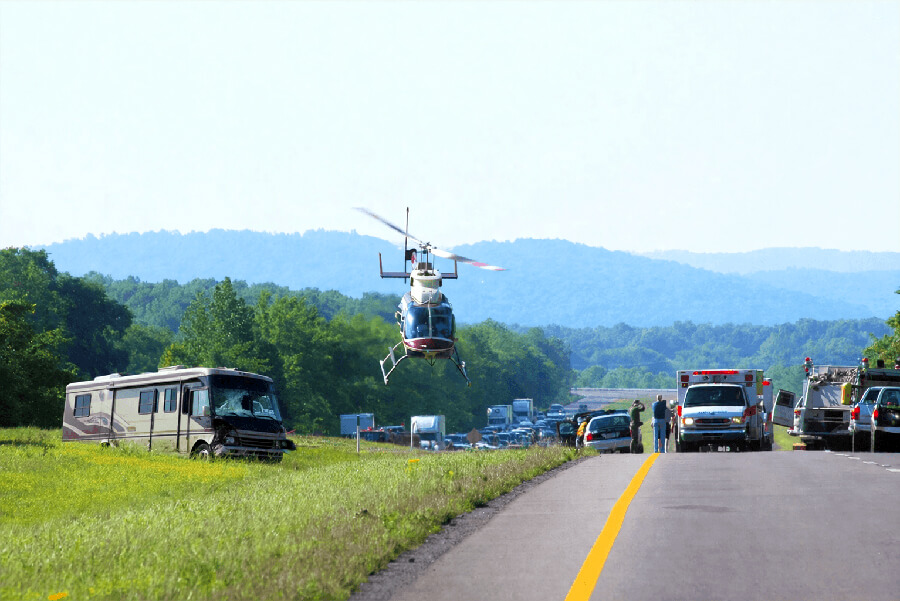
The Workamping lifestyle is is built on freedom. You choose where to go and how long to stay. But, what happens if you have a serious medical emergency while RVing hundreds, or even thousands of miles from home?
Suddenly, the dream of life on the road collides with some harsh realities.
For Workampers, that situation isn’t as unlikely as it might seem. Seasonal jobs often take you to remote campgrounds, rural areas, and destinations far from major medical centers. If something goes wrong, getting quality care is only part of the challenge – getting transportation to a hospital or back home can be an entirely separate problem.
That’s where medical evacuation (medevac) coverage comes in. It’s one of the most overlooked pieces of planning for life on the road, but for many Workampers, it can make the difference between a manageable situation and a costly, complicated crisis.
Why Health Insurance Falls Short on Medical Evacuation for RVers
Many RVers assume their health insurance will cover everything in an emergency. Unfortunately, that’s NOT how most plans work.
Health insurance is designed to pay for treatment, not transportation.
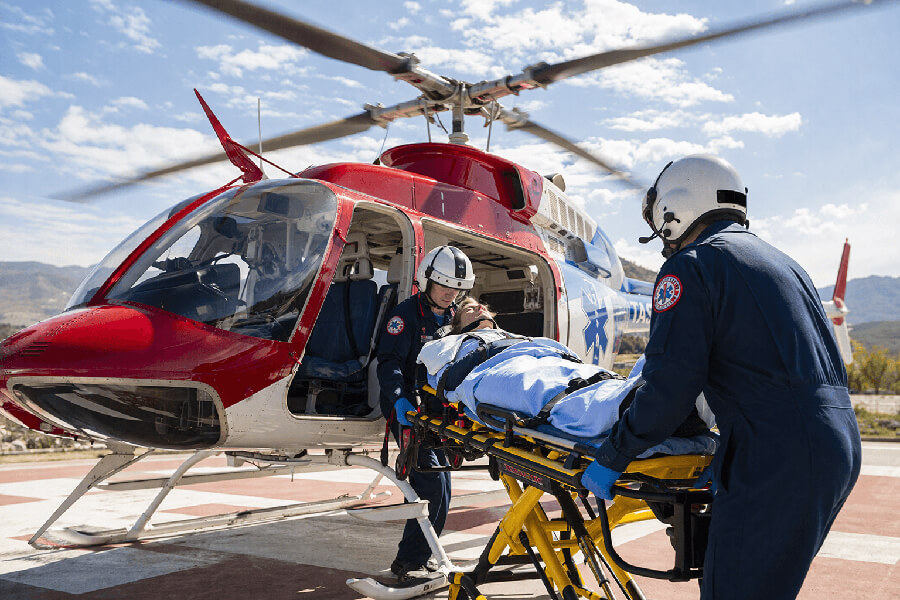
Most plans, including Medicare, will cover emergency transport to the nearest appropriate hospital when it’s medically necessary. That might include a ground ambulance or even an air ambulance in serious situations.
However, that’s where coverage typically stops.
Once you are stabilized, your insurance is unlikely to pay for transport back to your home state, transfer to a hospital of your choice, or non-emergency relocation to continue care closer to family. Even ambulance rides can come with out-of-pocket costs depending on network rules and coverage details.
You might receive excellent emergency care where you are, but still be stranded far from home, your doctors, and your support system, with no coverage for getting back.
That leaves a major gap for anyone living a mobile lifestyle.
For Workampers who routinely travel far from their home state, that gap can turn a medical emergency into both a logistical challenge and a financial crisis.
How Much Does Medical Evacuation Cost?
The cost of medical evacuation can be staggering, especially for RV travelers in rural or remote areas.
- Regional air ambulance: $15,000 to $40,000
- Cross-country medical flight: $40,000 to $100,000+
- International evacuation: can exceed $150,000+
For example, if you suffer a stroke while Workamping in Montana but need to be transported back to your home base in Florida for care, the cost of that flight alone could exceed the value of your RV.
That’s why many experienced travelers consider medevac coverage less of a luxury and more of a necessary financial safety net.
What Medical Evacuation Services Actually Cover
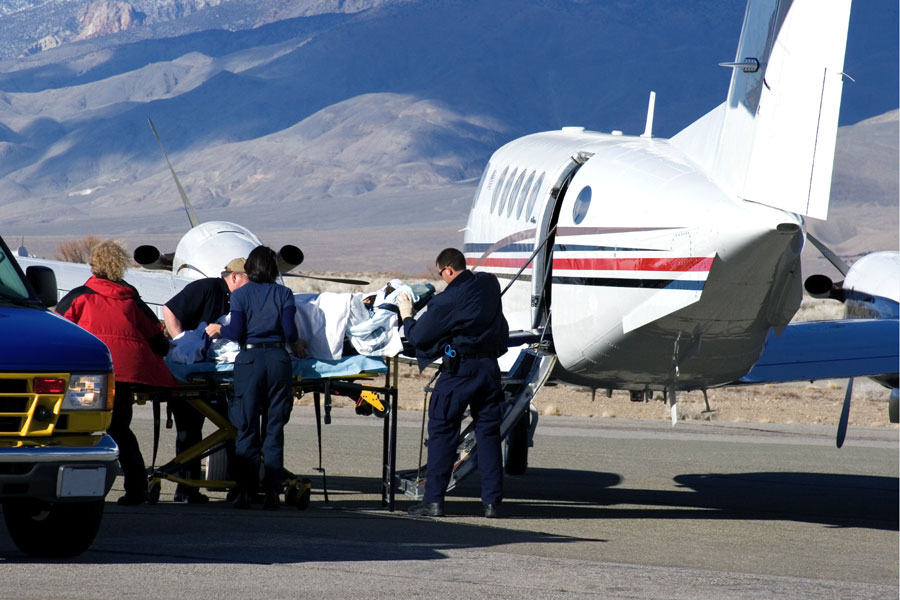
At its core, medical evacuation (medevac) coverage arranges transportation from wherever you are to a hospital capable of treating you. That could mean flying you from a rural area to a major medical center or even returning you all the way home.
Some providers go a step further. Instead of taking you to the “nearest acceptable facility,” certain services will transport you to the hospital of your choice once you are stable. That distinction matters more than most people realize.
Being treated close to home means access to your own doctors, your medical history and the emotional support of family. For many Workampers, that peace-of-mind is the primary reason to consider medevac coverage.
What Happens to Your RV During a Medical Emergency?
Here’s the part most Workampers don’t think about until it becomes a problem: your RV isn’t just transportation – it’s your home, your workspace, and likely your largest asset on the road.
So, what happens to your rig if you suddenly can’t drive it?
Imagine this scenario:
You’re Workamping at a campground in Arizona for the summer. You’re enjoying a day off by hiking in the Superstition Mountains and suffer a bad fall, breaking your leg.
Emergency crews airlift you to a hospital in Mesa. You’re getting the care you need, but your motorhome is still at the campground. Your spouse never learned to drive the big rig and can’t manage it alone. With your broken leg, you can’t drive it either.
To make matters worse, you cannot fulfill your Workamping commitment. The campground needs to bring in a replacement and needs your RV site for the next Workampers.
Now what? How do you get your RV home?
Without a plan in place, you’re left scrambling to find a professional driver or transportation service to retrieve your RV and get it safely back to your home base, or hope that the campground allows your RV to sit there indefinitely till you recover.
In short, it can quickly become a logistical headache layered on top of a medical crisis.
The good news is, some higher-tier medevac plans include RV or vehicle return services. That means the company will arrange to have your RV driven or transported back to your home base if you are unable to do it yourself.
Other plans offer this as an add-on, but many basic travel insurance policies do not include it at all.
For Workampers, this feature can be just as important as the medical evacuation coverage itself.
Pros of Medevac Coverage for Workampers
For those living or traveling extensively in an RV, the benefits are substantial.
First, there’s peace of mind. Knowing you can get back home or to a trusted facility removes a major unknown from the lifestyle.
Second, there’s financial protection. Air ambulance services are expensive, and even a single evacuation could exceed the cost of years of medevac membership fees.
Third, there’s control. Higher-end plans allow you to choose where you receive care instead of relying on local limitations.
Fourth, there is coordination. These services handle logistics, from arranging flights to communicating with hospitals and even assisting family members.
For many Workampers, those benefits alone justify the cost.
Medical Evacuation Coverage Limitations and Fine Print to Understand
Medevac coverage isn’t a one-size-fits-all solution, and understanding the limitations is critical.
Most plans require you to be a minimum distance from home before benefits apply. A common threshold is 150 miles, which for most Workampers is not a problem.
Some policies only activate if you are hospitalized or meet specific medical criteria. If you are not admitted, you may not qualify for transport.
Lower-tier plans may only take you to the nearest adequate hospital, not back home.
There can also be restrictions related to age, preexisting conditions or high-risk activities, such as mountain climbing, depending upon the provider.
Most importantly, you typically cannot arrange your own evacuation and expect reimbursement. The provider must coordinate the transport for it to be covered.
These are details that often get overlooked until it is too late so be sure you read and understand the fine print to ensure coverage matches your needs.
How Much Does Medevac Coverage Cost for RVers?
Compared to the cost of a single medical evacuation, medevac coverage is relatively affordable, but pricing varies greatly by provider and coverage benefits.
Most programs operate as annual memberships rather than traditional insurance policies. Pricing varies based on factors like age, coverage level, and whether you choose individual or family plans.
In general, you can expect:
- Individual plans: roughly $100 on the low end up to $800 per year
- Family plans: roughly $200 to $1200 per year
- Premium or expanded coverage: higher depending on features like global transport or RV relocation
Some providers also offer single-trip, short-term, or multi-year plans, which can adjust the overall cost.
The key differences in pricing usually come down to:
- Whether transport is to the nearest facility or your hospital of choice
- Inclusion of RV or vehicle return services
- Coverage for international travel or remote locations
For many Workampers, the decision comes down to a simple comparison: paying a few hundred dollars per year versus risking a five- or six-figure evacuation cost.
How to Choose the Right Medevac Plan as a Workamper
For Workampers, selecting the right coverage starts with a few key questions.
- How far do you typically travel from home?
- Do you spend time in remote or rural areas?
- Would you want to be treated locally or transported back to your home hospital?
- Do you need coverage for your RV to be returned as well?
- How important is simplicity versus cost?
You should focus less on price and more on clarity of coverage. A cheaper plan with vague terms may not deliver the features you expect when you need it most.
Look for straightforward language, strong customer feedback and 24-hour support.
Best Medical Evacuation Services for Workampers
Several companies offer medevac coverage, but they vary widely in how they handle transport, logistics, and RV relocation.
Here are some of the most recognized options:
Good Sam TravelAssist
Designed with RV travelers in mind, this program includes emergency medical transport as well as vehicle relocation and travel support services. This is an especially good option for Workampers already connected to the Good Sam network.
https://travelassist.goodsam.com/
FRVA Medical and Travel Assist
Already a Family RV Association member? Medical Evacuation coverage is included through their Medical & Travel Assist program. It provides helpful services such as medical evacuation, repatriation, and even getting you, your RV, and your pets home safely if something unexpected happens.
https://www.frva.com/medical-and-travel-assist
SkyMed
Often cited as a premium choice for RVers. In addition to medical evacuation, higher-tier plans will arrange for professional drivers to return your RV, tow vehicle or other vehicles if you are unable to do so. It’s a good fit for full-time RVers who want both medical and vehicle protection.
Medjet
Focuses on transporting members to the hospital of their choice if they are more than 150 miles from home. It is a membership program rather than insurance, with no dollar limits on transport costs. Although RV relocation is not a primary feature, Medjet may be a good fit for Workampers who prioritize control over where they receive medical care.
Global Rescue
Specializes in field rescue and evacuations from remote areas, including wilderness locations and international destinations. This may be a good fit for Workampers who spend time in isolated or backcountry settings.
Global Guardian
Offers medical evacuation along with security and crisis response services, including coordinated logistics and support. RV relocation is limited, but it might be helpful for travelers who want a concierge-style service experience.
https://www.globalguardian.com/
Planning for the Unexpected on the Road
Workamping often takes you to incredible places far from major medical centers and familiar support systems. Nobody hits the road expecting something to go wrong, but experienced RVers understand that preparation is part of the lifestyle.
You plan your routes. You maintain your RV. You watch the weather. Thinking through what would happen in a medical emergency is simply another layer of that preparation.
Medevac coverage isn’t something you hope to use, but having it can turn a chaotic and potentially expensive situation into something far more manageable.
And when you’re planning your next season on the road, preparation also means finding the right opportunities in the right locations.
Workampers can explore current job listings across the country on Workamper.com and plan their travels with confidence, knowing they’ve thought through not just where they’re going, but what happens if plans change unexpectedly.



Leave a Reply